For four decades, the David Hume Institute has delivered rigorous, non-partisan economic research to inform decision-making across Scotland. In an era defined by fiscal pressure, shifting demographics, and rapid regional change, high-quality public debate requires trusted, data-led insights.
This page brings together our comprehensive portfolio of economic research including our flagship Understanding Scotland Economy Tracker.
Explore our latest economy research below to access evidence to inform your work.
Latest
Economy
New research shows housing associations are much more than providers of social housing. They are major employers, investors, purchasers, developers and community anchors, generating economic activity well beyond their core housing role.
Latest tracker survey reveals financial strain continues to impact people's daily lives, leisure activities and health.
New briefing reveals a transformation in maths education in Scotland. Data shows the new maths qualification is attracting thousands more young people to study mathematics.
Read the latest Insights from the May 2026 Understanding Scotland Economy Tracker, find out what people think now the Scottish Parliament election is over
Insights from the February 2026 Understanding Scotland Economy Tracker, how is the economy affecting people’s lives in Scotland, what will it mean for the election?
Insights from the November 2025 Understanding Scotland Economy Tracker, how is the economy affecting people’s lives in Scotland?
Read insights from the May 2025 Understanding Scotland Economy Tracker, what do people think about the economy and how is affecting their life in Scotland?
Our latest independent economic tracker reveals the economy is emerging as a key priority as 62% of Scots say conditions have worsened in past year.
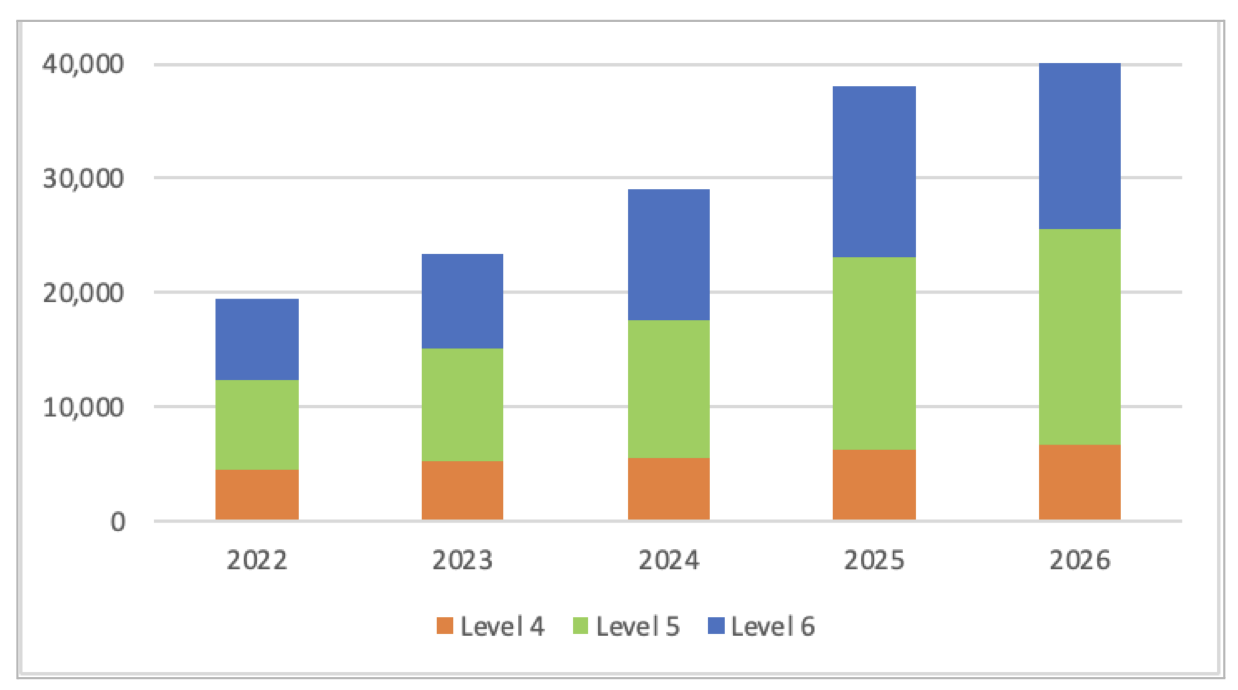
Our quarterly economic tracker from a panel of over 40,000 people in Scotland reveals green shoots of optimism in August have faded and poses big questions ahead of the Scottish Budget.
Our quarterly economic tracker from a panel of over 40,000 people in Scotland reveals green shoots of optimism appearing
New research investigating the Great Risk Transfer and the changed relationship between employers and employees. What are the implications for financial wellbeing?
Latest in the Understanding Scotland Economy Tracker series reveals a mixed picture of public opinion of the Economy.
Our latest quarterly economy tracker reveals a continuing stark picture of public opinion on the economy.
The Understanding Scotland Economy Tracker, marks its second birthday, showing many Scots continue to take extreme measures to navigate turbulent economic times.
The most recent data from the David Hume Institute and Diffley Partnership’s regular economy tracker reveals a mixed picture of public opinion on the economy: 62% of Scots think general economic conditions will be worse in a years’ time and 45% think their personal financial situation will be worse in a years’ time.
When governments talk of increasing productivity and economic growth, are they focusing sufficiently on the challenges posed by an unhappy workforce or the hours lost in contract disputes? This new discussion paper argues that, although improving levels of trust can take time, it is time well spent as it saves resources in the long term.
A new commissioned paper in partnership with Built Environment Forum Scotland, written by Andy Wightman, discusses Scotland’s land information system and why it is a key piece of critical infrastructure.
The latest insights from our quarterly economic survey reveal a stark differences in experience of the Scotland’s economy.
New research on economic attitudes and behaviours has revealed widespread pessimism about Scotland’s economic outlook.
How many people have the knowledge and time to manage the financial risks they face in life? To what extent does it matter? Find out more in our latest research about the Great Risk Transfer.
New research shows 80% of people have already cut down on leisure and/or non-essentials, over a quarter of people are skipping or cutting down on meals to save money and 1 in 3 Scots now losing sleep due to financial stress,
A new survey produced in partnership between the David Hume Institute and the Diffley Partnership has revealed widespread anxiety about Scotland’s economic outlook.
An open data culture leads to improved government, economic growth, insight, and a more participatory democracy. However, despite the benefits demonstrated by those leading the way in open data, Scotland is moving at a glacial pace and the gap with other countries is widening.
The David Hume Institute measures the diversity of Scotland’s top leaders. For the first time in our analysis this includes the leaders of the top 300 charities by income. Read the research here.
Life is now virtually impossible without high speed internet connection. This briefing paper looks at progress of the roll-out so far and what more can be done.
Read the briefing paper here.
New research into the education and diversity background of over 200 business leaders shows that faster progress is needed if Scotland’s economy is going to benefit
Click here to read the briefing paper.
A new report by Professor Duncan Maclennan, commissioned by the David Hume Institute, examines how the country can build forward to A Scotland of Better Places.
The David Hume Institute measures diversity of Scotland's top decision makers, including the Scottish Parliament. Diversity of thought improves an organisation’s performance. The challenges Covid brings means we need to ensure diversity across all decision makers to maximise resilience and innovation.
As the representative of people in Scotland and high-profile public servants, MSPs have a key role to play in helping the public see that leaders can come from a wide range of backgrounds.
Read the briefing here.
DHI launched Whats Your Action after listening to over 4,500 people across Scotland in the largest inter-generational polling and research exercise in the last 5 years.
The research, which included nationwide polling and group conversations, showed people in Scotland are taking action to be kinder, care for the environment and being more conscious about how and where they spend their money, among a host of other actions.