

New Research reveals Housing Associations are Overlooked “Economic Anchors”
New research reveals housing associations are local “economic anchors” for Scotland which are often overlooked and misunderstood.
Published: 2nd September 2026
Call for housing associations to be treated by government as economic infrastructure and for the full economic return on housing investment to be measured.
Scotland’s housing associations are much more than providers of social housing: they are substantial economic organisations that employ people, invest billions, support businesses and supply chains, regenerate communities, facilitate labour market change and reduce pressures on other public services.
The new independent research by the David Hume InstituteThe Story so Far: Housing Associations and the Scottish Economy, was authored by internationally renowned housing economist Professor Duncan Maclennan and Dr Andrew Robert Watson. Commissioned by the Scottish Federation of Housing Associations (SFHA), the research argues that the economic contribution of the sector is significant but remains largely invisible because it is not measured consistently.
The report says SFHA members alone have approximately £2.27 billion in turnover, £1.80 billion in operating expenditure and £579 million in staff costs – and these headline figures understate the sector’s wider economic footprint, which extends through contractors, suppliers and employee spending as well as the productivity benefits that flow from good, well-located housing.
The report describes housing associations as “anchor institutions” - longterm organisations rooted in the communities they serve, with the ability to own assets, employ people, procure locally and invest over many years. Their economic role extends into regeneration, community facilities, commercial workspace, apprenticeships, employability, local procurement, social enterprise, welfare advice, tenancy sustainment, specialist housing, care and support, and energy investment. All in addition to the health and human capital gains that flow from a better housed population.
Professor Duncan Maclennan, author of the report, said:
“Housing associations are routinely described as social landlords. That description is true, but it misses a large part of the story. They are economic institutions embedded in the places they serve. They employ, invest, procure, build, regenerate and help people to develop skills and participate in the economy.
“The striking finding is not that this economic value routinely exists, but that we do not yet count enough of it. If Government looks only at the immediate cost of housing investment, it risks missing the wider economic return – and the costs that good housing can prevent elsewhere.” Too often associations and their impacts, with some important exceptions in rural Scotland, are missing in the discussions of Scotland’s Regional Economic Partnerships and more local economic development initiatives. That has to change.”
The report argues that good housing can reduce pressure on public services by helping to prevent homelessness, ill health, financial insecurity, educational disadvantage and social isolation, while supporting people to remain independent. Housing associations already undertake substantial preventative work, but the economic value of that work is not sufficiently measured.
It also highlights the distinctive economic contribution of housing associations as not-for-profit organisations. Economic value generated through their activities can be retained and reinvested in homes, services and communities rather than distributed to shareholders. Where spending is retained locally, this can strengthen local economies.
Richard Meade, Chief Executive of SFHA, said:
“Housing associations have always been about far more than bricks and mortar. This research shows just how much our members contribute to Scotland's economy, as major employers, as investors of billions, and as anchor institutions rooted in the communities they serve. For too long that contribution has gone largely unmeasured, and therefore unrecognised.
We commissioned this work because the case for investing in housing is an economic one as much as a social one. We are calling on government and regional economic bodies to treat social housing as critical economic infrastructure, to recognise housing associations as genuine economic partners, and to measure the full return on housing investment. We also accept the challenge the report sets for our own sector, to be more confident in telling our economic story, and to build the evidence that proves it.”
The economic case is not yet being measured
The report identifies a significant gap between the economic activity housing associations undertake and the evidence available to demonstrate its full impact.
Individual associations already measure aspects such as local procurement, employment, apprenticeships, tenant financial gains and community benefits. But there is no consistent framework for aggregating this information and understanding the sector’s full economic contribution.
The report calls for this cycle to be broken, arguing that Government should:
Recognise housing associations as economic partners in local and regional economic development
Treat housing as economic infrastructure, alongside transport, skills, digital infrastructure and business investment
Measure the full return on housing investment, including employment, supply chains, productivity, household income, regeneration and public-sector cost avoidance
Establish how much economic activity housing association spending generates and how much is retained locally
Recognise the not-for-profit advantage of retaining and reinvesting economic value and
Consider the cost of not investing, as well as the immediate cost of investment.
The report also challenges the sector itself to become more confident in describing its role as an economic one, and to systematically measure its local employment, procurement, skills, tenant income, economic circulation, regeneration and preventative public-service impacts.
Professor Maclennan said:
“It is always important to know what housing costs, and we do, but we also need to know the benefits these investments create for the long term and presently we don’t”
The report concludes that the economic case for housing associations is not an addition to their social purpose but integral to it.
Susan Murray, Director of the David Hume Institute said “
“At a time when public finances are under enormous pressure, every pound of public investment has to be understood in terms of the value it creates. This report makes a strong case that housing investment should be judged on its full return, not simply its headline cost.
“The message for Government is straightforward: housing is part of Scotland’s economic infrastructure. The housing association sector is already creating economic value. By investing in it, you get much more bang for your buck. Now we need to measure the full impact, recognise it in policy and investment decisions, and make sure Scotland gets the full benefit.”
ENDS
Notes to editors
The Story so Far: Housing Associations and the Economy was commissioned by the Scottish Federation of Housing Associations from The David Hume Institute and authored by Professor Duncan Maclennan and Dr Andrew Robert Watson.
The research uses a mixed-methods approach, combining regulatory and financial data alongside a survey of SFHA members, group and one-to-one interviews.
The report does not claim to provide a single definitive estimate of the total economic impact of Scotland’s housing associations. Its purpose is to identify the components of that contribution and lay the foundations for a stronger, evidence-based economic narrative.
Key figures
£2.27bn – approximate turnover of SFHA members
£1.80bn – approximate operating expenditure
£579m – approximate staff costs
Housing associations’ economic impacts operate at direct, indirect and induced levels.
About the David Hume Institute
The David Hume Institute is an independent research institute with a mission to improve understanding of the economy in Scotland. DHI undertakes research and hosts public events to encourage discussion about the economy and society.
About Scottish Federation of Housing Associations
The Scottish Federation of Housing Associations (SFHA) is the collective voice for housing associations and co-operatives in Scotland, providing safe, warm affordable homes for over half a million people and employing over 13,000 people. Housing associations were built in and by communities across Scotland and continue to exist to make lives and places better. Beyond simply providing an affordable rent, they support tenants with a range of needs in every constituency.

Cost of Living Continues to Keep Scots' Awake at Night
The latest Understanding Scotland economy Tracker reveals financial strain continues to impact people's daily lives, leisure activities and health.
23rd August 2026
Tracker survey reveals financial strain is impacting people's daily lives, leisure activities and health.
The ongoing cost of living squeeze remains a dominant issue for Scots. According to the latest Understanding Scotland Economy Tracker, almost half (47%) identify inflation and living costs as one of the most important issues facing the country for a second consecutive quarter.
The latest findings suggest an increasingly anxious public where financial strain is directly impacting daily life, leisure and health.
Other key findings include:
More than two-thirds of Scots who expressed an opinion (68%) say the economy is worse than it was a year ago.
A similar proportion (67%) expect economic conditions to worsen over the next 12 months.
Only around a quarter of Scots (24%) believe things in Scotland are heading in the right direction.
The survey also highlights how economic pressure is shaping everyday behaviour across Scotland:
More than half of respondents (52%) say they have reduced non-essential spending because of concerns about money matters.
Half (51%) say they have cut back on leisure activities.
Four in ten Scots (40%) say they have dipped into savings to meet higher costs.
Three in ten say concerns about money have affected their mental health (30%) or caused them to lose sleep (29%).
The findings point to continued pressure on household finances, with large numbers of Scots changing spending habits and making difficult financial choices in response to rising costs.
The majority of Scots remain broadly positive about aspects of employment, attitudes towards income and living standards are markedly less positive:
Nearly three-quarters of Scots (73%) are satisfied that their employment provides enough paid hours.
Two-thirds (66%) are satisfied with their job security.
However, just 37% are satisfied with their income level.
Almost half (49%) are dissatisfied with how well their income covers the cost of living.
While cost of living pressures remain dominant, the survey points to a shifting set of public priorities.
Immigration has risen to a record high for the series, with one in four Scots (25%) identifying it as one of the country's most important issues. The proportion highlighting social care as a key issue has increased to 13%, its highest level since the earliest wave of Understanding Scotland in 2021, while the environment and climate change has also risen sharply to 13%, its highest level since late 2023.
Meanwhile, the proportion identifying healthcare and the NHS as one of Scotland's most important issues has fallen seven percentage points since May down to 40% or four in ten - its lowest level since January 2022.
Scott Edgar, Head of Analysis and Insights, The Diffley Partnership:
“The cost of living remains the defining issue for Scots, and the findings suggest financial pressures continue to shape both public priorities and everyday behaviour.
While economic sentiment has become slightly less negative since May, large majorities still believe economic conditions are worsening and expect further deterioration over the coming year.
At the same time, we are seeing the public agenda broaden. Alongside concerns about household finances, issues such as immigration, social care and climate change are becoming more prominent, reflecting a public that is responding both to events happening in Scotland and across the UK.”
Susan Murray, Director, David Hume Institute:
“This survey continues to show a ticking time bomb for those under financial strain as they struggle to make ends meet. A significant proportion of people are forced into behaviours that will have a detrimental effect on their long term health.
Any government talking about economic growth needs to remember a tired and stressed workforce is not good for productivity or the labour market.”
The Understanding Scotland Economy Tracker surveyed 2,186 adults across Scotland between 2 and 5 August 2026. The survey has been tracking public opinion and behaviour on the Scottish Economy since October 2021.
ENDS
Notes to editors:
Designed by the Diffley Partnership and the David Hume Institute, the survey received 2,186 responses from a representative sample of the adult population, aged 16+, across Scotland. Invitations were issued online using the ScotPulse panel, and fieldwork was conducted between the 2nd and 5th August 2026. Results are weighted to the Scottish population (2024 estimates) by age and gender.
Cost of Living Dislodges the NHS as Scots’ Top Concern
The latest Understanding Scotland Economy Tracker reveals the Cost of Living Dislodges the NHS as Scots’ Top Concern
25th May 2026
Tracker survey shows economic worries worsen as Scots fear further rises in cost of living
The cost of living has overtaken healthcare and the NHS as the single biggest concern facing Scots for the first time in nearly three years, according to the latest Understanding Scotland Economy Tracker.
The quarterly survey, produced by The David Hume Institute with the Diffley Partnership paints an increasingly downbeat picture of Scotland’s economic mood following the 2026 Scottish Parliament election.
Key findings include:
Almost one in two Scots (47%) now rank the cost of living and inflation among the top issues facing the country.
More than three in four Scots who expressed an opinion (77%) say the economy is worse than a year ago, up sharply from around three in five (62%) in February, while a similar proportion (73%) expect economic conditions to deteriorate further over the next 12 months.
Despite this collapse in economic sentiment, three in ten Scots (30%) now think the country is heading in the right direction, up notably since November 2025 (22%).
The findings suggest household financial pressures are once again dominating Scots attitudes, despite easing inflation headlines and political change at Holyrood.
The survey also highlights how economic pressure is shaping everyday behaviour across Scotland:
More than half of respondents (54%) say they have cut back on leisure activities because of concerns about money matters.
A similar proportion (52%) say they have reduced non-essential spending.
More than two in five Scots (41%) say they have dipped into savings to cope with rising costs.
The findings point to growing pressure on consumer confidence and household resilience - a significant concern for Scotland’s wider economy given the importance of consumer spending to the economy.
The report also identifies warning signs emerging in the labour market and housing affordability:
Less than half of Scots (43%) are confident they could find a new job within three months if necessary, a decrease of four percentage points from last May (47%).
Six in ten people (61%) say they are confident they could cope with higher housing costs over the next six months - down compared to last year.
The findings highlight the difficult economic backdrop faced by the country as it begins the new parliamentary term, with public expectations increasingly focused on living standards, wages and household financial security rather than constitutional debate.
The survey also highlights continued support for preventative approaches to tackling economic hardship:
Nearly four in five Scots (78%) agree it costs the public purse more in the long run when people cannot meet their basic needs today.
More than two thirds (68%) agree there is a collective responsibility to ensure a safety net during hard economic times.
Scott Edgar, Senior Research Manager, The Diffley Partnership:
“Coming just after the Scottish Parliament election, these findings underline the scale of the economic challenge facing the new Parliament. While there has been a modest improvement in how people feel about the country’s direction, that sits alongside a much more pessimistic view of the economy and living standards.
The cost of living is the defining issue for Scots, overtaking the NHS as the top concern, and shaping how people are managing their day-to-day lives.
The task now for decision-makers is to rebuild confidence at a time when financial pressures remain entrenched and expectations for the future are increasingly fragile.”
Susan Murray, Director, The David Hume Institute:
“Consumer confidence is fundamental to a thriving economy. When people are cutting back on leisure activities, reducing non-essential spending and dipping into savings to cover everyday costs, that has a direct impact on the wider economy, investment and local communities.
“The challenge for Scotland’s political and business leaders now is to rebuild confidence at a time when public pessimism about the economy and rising cost of living is deepening and expectations for the future are becoming increasingly fragile.”
The Understanding Scotland Economy Tracker surveyed 2,170 adults across Scotland between 11 and 15 May 2026. The survey has been tracking public opinion and behaviour on the Scottish Economy since October 2021.
ENDS
Notes
Designed by the Diffley Partnership and the David Hume Institute, the survey received 2,170 responses from a representative sample of the adult population, aged 16+, across Scotland. Invitations were issued online using the ScotPulse panel, and fieldwork was conducted between the 11th and 15th May 2026. Results are weighted to the Scottish population (2024 estimates) by age and gender.
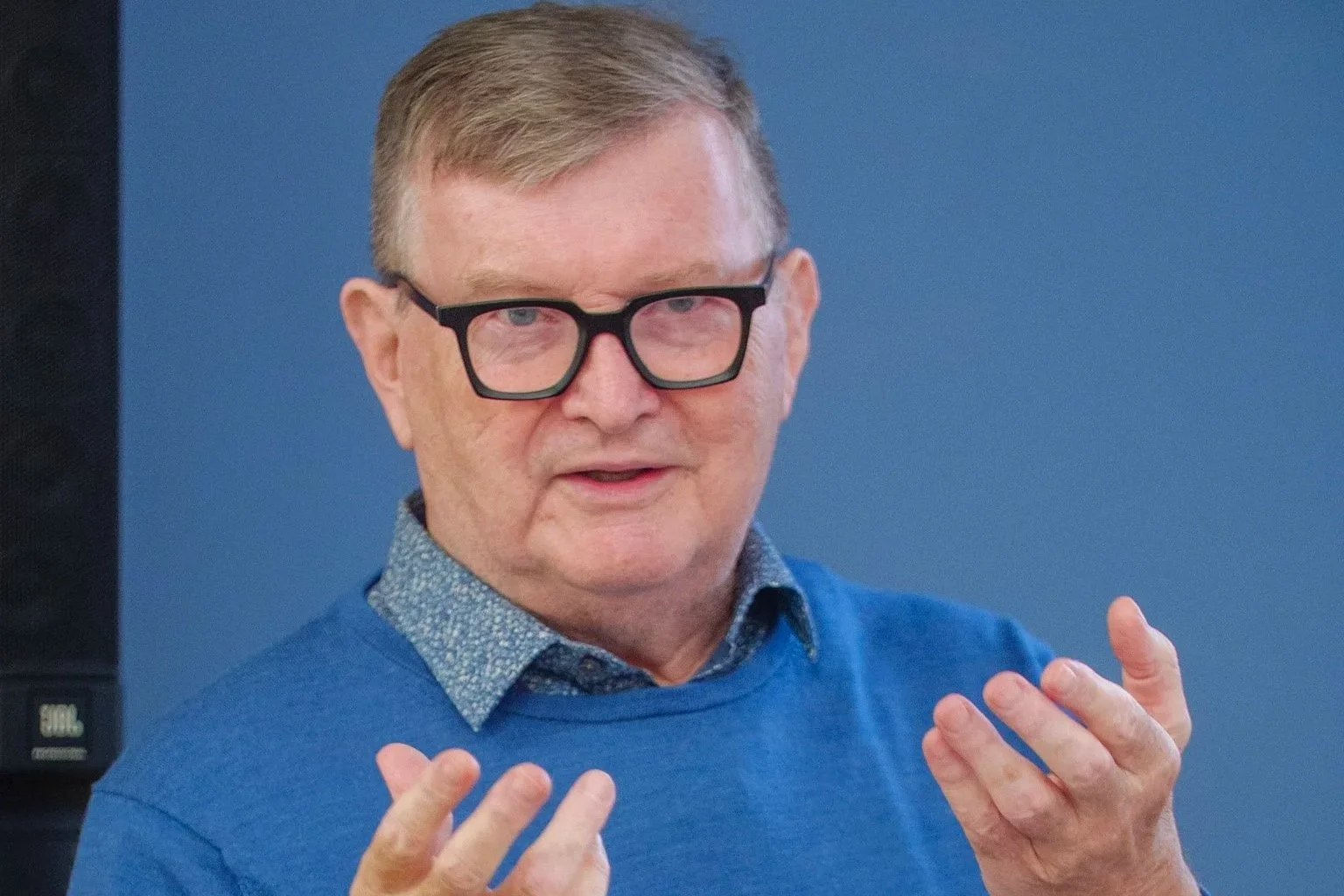
New research to reveal housing associations’ roles in improving Scotland’s economic performance
DHI and Professor Duncan Maclennan commissioned for new research to better understand the sector’s impact on the Scottish economy.
8th April 2026
SFHA commission new research from Professor Duncan Maclennan and the David Hume Institute to better understand the sector’s impact on the Scottish economy.
The Scottish Federation of Housing Associations (SFHA) has commissioned research from the David Hume Institute and global housing expert, Professor Duncan Maclennan to better understand the contribution of housing associations to Scotland’s economy.
The research, titled Beyond bricks and mortar: Recognising housing associations’ role in Scotland’s economyseeks to evidence the impact of housing associations as a national driver of fairer and faster economic growth.
Professor Maclennan is an applied economist specialising in housing, neighbourhoods and cities with his professional background involving both senior academic and policy roles in Australia, Canada and the UK.
His recent work has advocated for a whole system approach, recognising the economic drivers and adverse consequences of poor housing outcomes, to tackling the housing polycrisis. This includes a major report he authored with the David Hume Institute last year titled Prosperity Begins At Home. The report had argued for a radical shift in the understanding of housing as just a social issue to instead be recognised as a critical economic infrastructure shaping jobs, economic growth and environment.
The new research commissioned by SFHA is due to report later this year and will build on the themes of the Prosperity Begins At Home report.
As part of the research, SFHA member housing associations will shortly receive a survey to share their insights into the scale and economic reach of their organisation. Professor Maclennan will use these insights along with other research on how housing outcomes impact health, education and accessibility to jobs in ways that shape growth and productivity.
The aim of outlining the full contribution of housing associations to Scotland’s economy comes as the country is set to go to the polls for May’s Scottish Parliament election. The research findings will provide an opportunity for elected MSPs to understand the full scale and reach of Scotland’s housing associations as a driver for economic growth and productivity. Abating the housing polycrisis requires a change in mindsets, systems and outcomes and the research will provide a coherent economic story for politicians and practitioners that has been missing too long in Scotland.
SFHA Chief Executive, Richard Meade said:
“Housing associations and co-operatives have been an integral part of Scotland’s social fabric for decades providing over 300,000 secure, warm and affordable homes in communities everywhere from Shetland to the Scottish Borders.
“However, as well as their unique social purpose, housing associations make a significant contribution to Scotland’s economy. They provide tens of thousands of jobs, invest significantly in communities and the social infrastructure they create is vital to supply chains and businesses throughout the country.
“We are delighted to commission the David Hume Institute and Professor Duncan Maclennan to better evidence the contribution of housing associations to Scotland’s economy. This research will show the impact housing associations have on the economy and the contributions they make to meeting Scotland’s economic missions..
“Ending the housing emergency is not only a moral imperative, but it is also an economic imperative. This research will set out an evidence-based business case for investing in housing associations to create a more prosperous country.”
Professor Duncan Maclennan said:
“Housing has too often been viewed narrowly as a social issue, when in reality it is a fundamental part of a well-functioning economy. This research will explore how housing associations contribute not only to meeting housing need, but to improving productivity, supporting labour markets and enabling sustainable economic growth across Scotland. By taking a whole-system perspective, we can better understand the full economic value of the sector and its role in shaping a more prosperous future.”
Susan Murray, Director of the David Hume Institute said:
“This research builds on our work highlighting housing as essential economic infrastructure. At a time when Scotland is focused on growth and productivity, it is vital that we fully recognise the contribution housing associations make - not just socially, but economically. By strengthening the evidence base, this research will help inform policy and investment decisions that support both communities and long-term economic resilience.”
[ENDS]
Notes to Editors
Housing associations directly employ over 13,000 people across Scotland and invest hundreds of millions of pounds in developing new homes and improving existing homes.
Scottish Federation of Housing Associations (SFHA) is the membership body for, and collective voice of housing associations and co‑operatives in Scotland.
About Professor Duncan Maclennan: Duncan was a member of the Board of Scottish Homes from 1989 until 1999 and then spent a decade working in government, as special Adviser to the First Ministers of Scotland, as a Chief Economist in the Government of Victoria and as Chief Economist in Canada’s Federal Department for Infrastructure and Cities. He has acted as adviser to Ministers in the UK, Scotland, France, Poland and Norway, Canada, Australia and New Zealand. He is a fellow of the Royal Society of Edinburgh, the Academy of Social Sciences and Honorary Member of the Royal Town Planning Institute, The Chartered Institute of Housing and the Royal Institute of Chartered Surveyors. He was awarded a CBE for services to UK housing research in 1997. He remains affiliated to the University of Glasgow as an Emeritus Professor of Urban Economics and holds Professorial appointments in Housing Economics at McMaster University (Ontario) and UNSW (Sydney).
About the David Hume Institute: The David Hume Institute is an independent think tank with a mission to improve understanding of the economy in Scotland. DHI undertakes research and hosts public events to encourage discussion about the economy and society.
NHS and Cost of Living Top Priority for Voters
February 2026 Insights from the Understanding Scotland Economy Tracker - the final wave of the survey before the May election,
25th February 2026
Scots feel marginally less pessimistic about the country’s economy, but pressure on spending remains
Nearly half of Scottish voters say healthcare is one of the most important issues facing Scotland, followed closely by the cost of living, according to the latest Understanding Scotland Economy Tracker.
The final wave of the survey before the May election, published by the Diffley Partnership and the David Hume Institute, found around half (48%) of Scots say that healthcare and NHS is a top priority, while more than two in five (43%) said the cost of living and inflation, the biggest rise in concern this wave, up five points.
Almost one in four (23%) name immigration as a top issue - similar to the last tracker in November (22%).
A second tier of concerns remains steady: around one in five (18%) mention poverty and inequality, and the same proportion (18%) cite the economy more broadly. Around one in seven (15%) point to trust in politics, while around one in eight (13%) identify housing.
Economic pessimism eases — but pressure remains
While concern remains high, economic sentiment has improved modestly:
Around three in five (62%) of those that express an opinion say the economy has worsened over the past year, down seven points since November.
Two in five (41%) say their personal finances have deteriorated, down six points.
Two in three (66%) expect economic conditions to worsen in the year ahead, down from nearly three in four (73%) previously.
Yet financial strain is still widespread:
Just over one in two (52%) report that they have recently cut non-essential spending
One in two (50%) have reduced leisure spending
Almost two in five (39%) have dipped into savings
Three in ten (31%) say money worries are affecting their mental health
Looking ahead, essential costs continue to weigh heavily:
About seven in ten (69%) expect higher utility bills
One in two (50%) expect to spend more on food and drink
Around one in two (49%) foresee higher housing costs
The data also points to deep scepticism about the economic system itself:
One in fourteen (7%) believe the economy works for most people
Just one in twelve (8%) think it works for them personally
Seven in ten (71%) believe it primarily works in the interests of the wealthy
As the election campaign begins, the picture is clear: voters remain under sustained financial pressure and deeply concerned about core public services, but with a cautious sense that the economic outlook may be stabilising.
Scott Edgar, Senior Research Manager, The Diffley Partnership:
“As we move into the election campaign, voters are sending a very clear signal: the NHS and the cost of living will define this contest. Even though pessimism about the economy has eased slightly, people are still feeling real pressure in their day‑to‑day lives. Any party seeking to win trust in May will have to demonstrate not only that they understand these pressures, but that they have credible plans to address them.”
Susan Murray, Director, David Hume Institute:
“There are tentative signs of improvement but confidence in the economic system itself remains strikingly low. Very few people believe the economy works for them — or for most other people.”
“With more than one in four people losing sleep over their finances and one in five people saying money worries are making them less effective at work, there is still a long way to go to tackle the low wage, precarious work that is undermining the economy and the nation’s resilience.
“The challenge for policymakers is not only easing immediate pressures for individuals and businesses, but rebuilding faith that Scotland’s economy can deliver fairness and opportunity more widely as we transition to new industries and ways of living.”
Notes
Designed by the Diffley Partnership and the David Hume Institute, the survey received 2,131 responses from a representative sample of the adult population, aged 16+, across Scotland. Invitations were issued online using the ScotPulse panel, and fieldwork was conducted between the 1st-4th February 2026. Results are weighted to the Scottish population (2024 estimates) by age and gender.
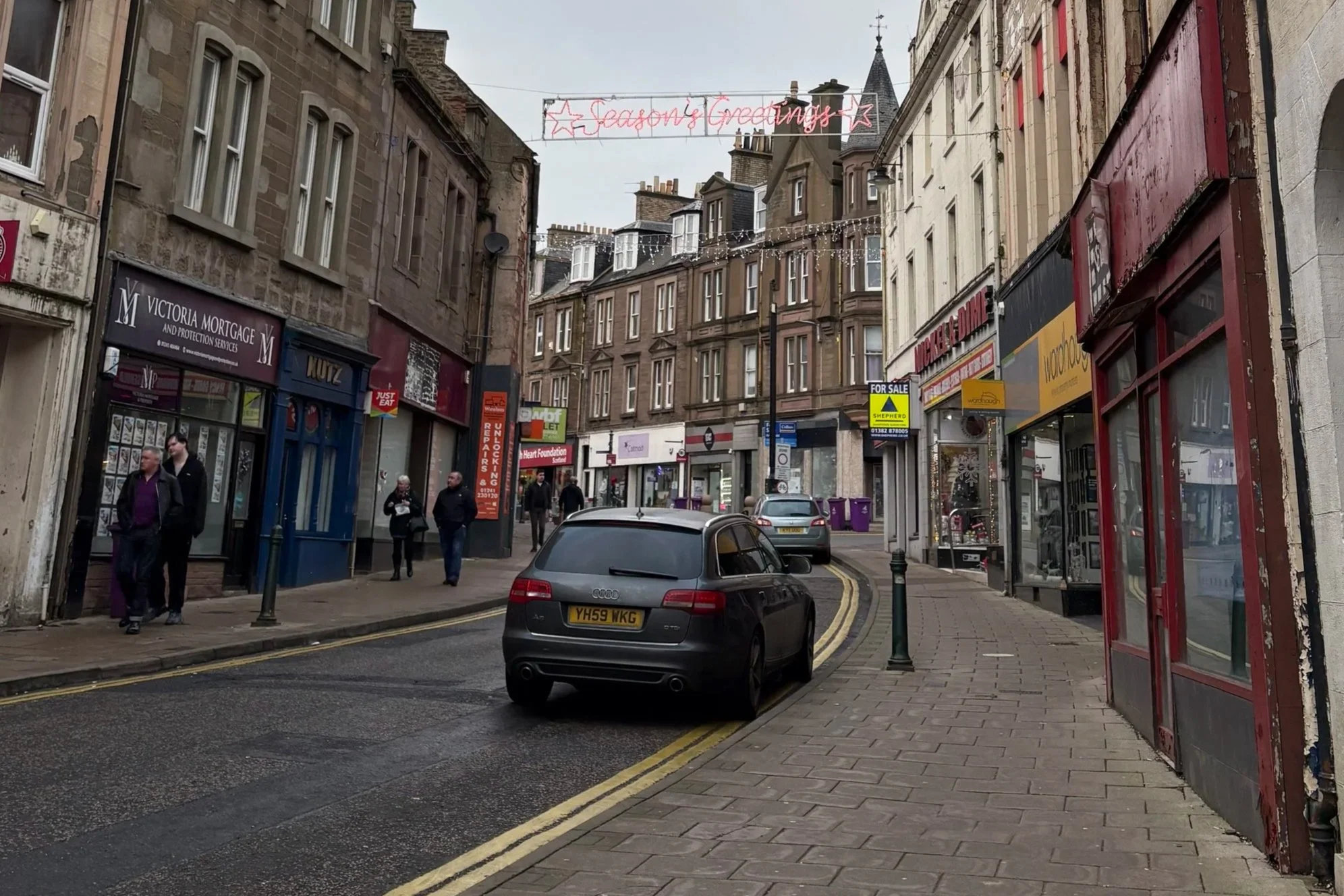
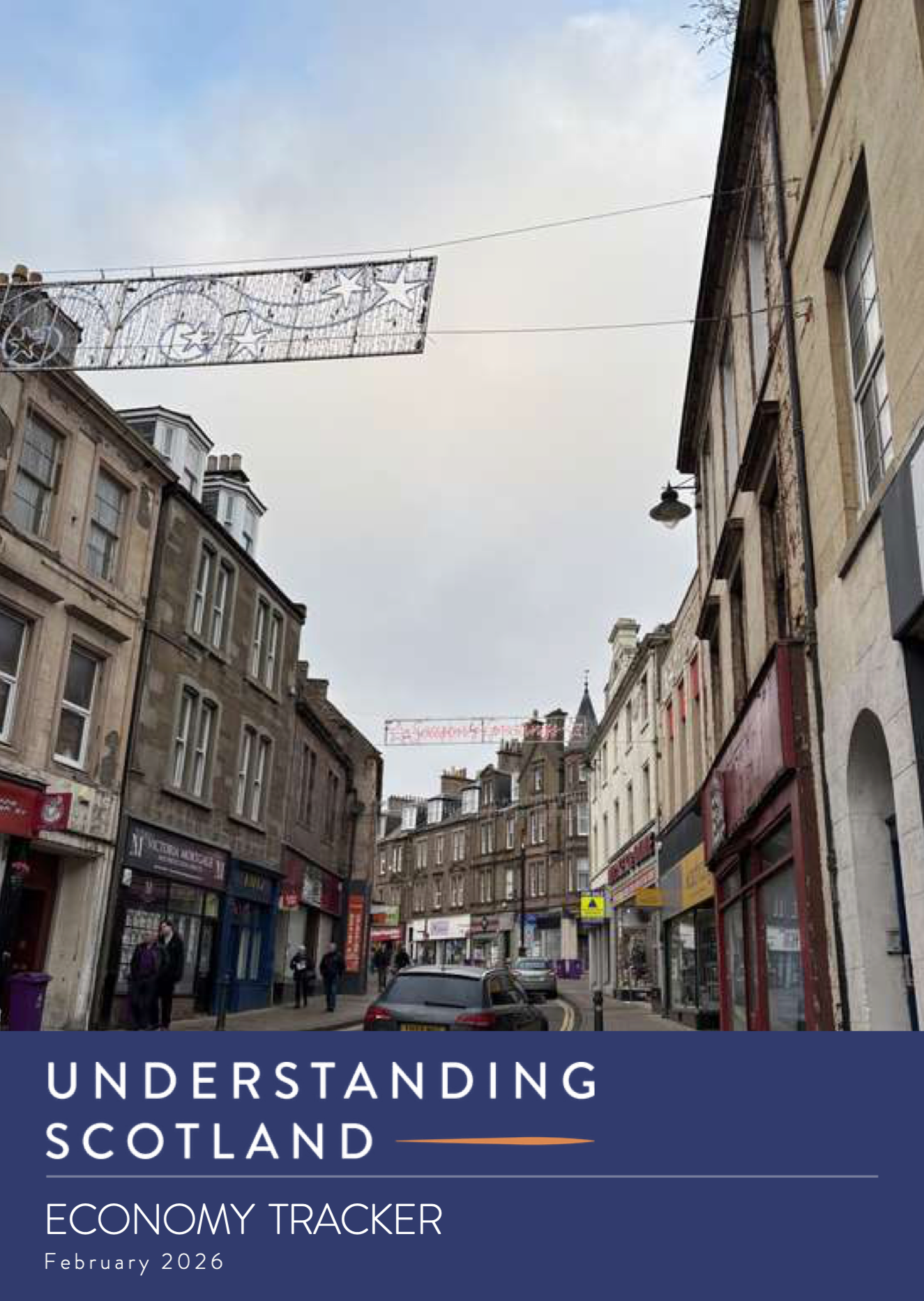
Image credit: Front cover of the Understanding Scotland Economy Tracker, February 2026, image of Arbroath Town Centre by S. Murray

Blog: Rays of Sunshine in Research Gloom
Keith Robson from Open University Scotland shares his reflections on the latest Understanding Scotland Economy Tracker Insights, and how although gloomy, there are some rays of sunshine connected to his work.
Tuesday 2nd December
By Keith Robson
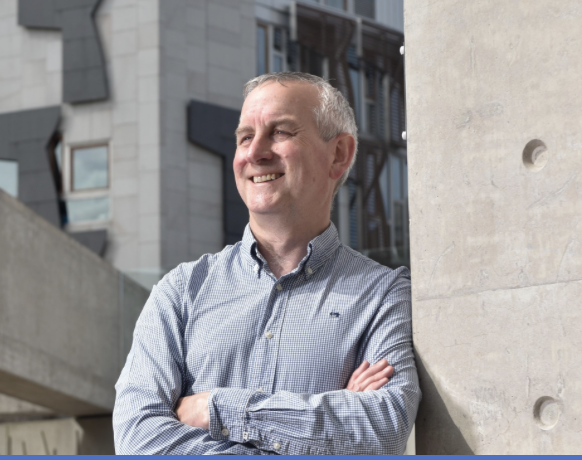
Keith Robson reflects on the latest Understanding Scotland Economy Tracker insights and how it connects to his work with The Open University in Scotland.
The Open University is the largest provider of part-time higher education in Scotland and is a world leader in providing innovative and flexible distance learning opportunities.
Last week I had the pleasure of attending the latest ‘Understanding Scotland’s Economy Tracker’ breakfast briefing. I’m a regular as you always get an interesting and often challenging perspective from the keynote speakers - and the audience. It aligns with the Open University’s mission to be open to people, places, methods and ideas.
At each event the results of the survey are expertly explained by Scott Edgar, from the Diffley Partnership. Delivered with humour in a straight-forward manner, Scott sets out what the survey data means for the people behind the figures. This quarter the David Hume Institute arranged reflections from Catherine McWilliam, from the Institute of Directors Scotland and Shan Saba, Director of Brightworks, Scotland’s leading recruitment agency to discuss the findings.
Let’s not beat about the bush - there is not much optimism in the findings.
Two out of three respondents reported that general economic conditions have worsened over the last twelve months. A further three in four respondents expect the general economy to worsen over the next year. Over half of respondents have cut back on non-essential spending.
The Open University is Scotland’s national widening access and lifelong learning university. We are the largest provider of undergraduate part-time higher education in Scotland. Therefore I was particularly struck by the Labour Market insights.
More than half of respondents said they would need to retrain or upskill if they want to get a new job. One in five said that they had not had any training through their employer since their initial induction.
The 2025 OU Business Barometer
These figures chime with the OU’s Business Barometer 2025 - a survey of 2000 senior decision makers across the UK; over half (52%) representing small and medium-sized businesses. Plus one thousand members of Gen Z (aged between 18 and 24) were also surveyed for the report.
For respondents in Scotland one in three say that budget constraints/lack of funding are barriers to offering more training. We also found a mismatch between employers and employees about training and job retention which was a discussion point with Catherine and Shan who shared their experiences.
The survey found that concerns about money matters were particularly prevalent for respondents in lower SIMD area, the young age group and those with children. Again, this mirrors our experiences of calls from students and in turn a reduced take-up of the Part Time Fee Grant for those students earning £25,000 or less per annum.
The OU’s Scottish Parliament election manifesto Skills for Life calls for a greater focus on flexible part-time learning with the need for upskilling and reskilling in the labour market. You can read more here.
So where does the sunshine come from amidst the gloomy outlook?
For me it is in our students’ success. We are supporting thousands of students to study in flexible ways that fit with their other commitments. Each year our graduation ceremonies are full of stories the bring rays of sunshine and hope.
I wholeheartedly recommend spending five minutes looking at the heartwarming stories on our website and challenge you not to feel uplifted.

Press release: Scots brace for tougher economic times
The latest Understanding Scotland Economy Tracker shows Scots’ deep pessimism about tougher economic times ahead.
23rd November 2025
New Understanding Scotland Economy Tracker shows bleak labour market outlook and rising financial strain ahead of UK Budget and Scottish election

Economic pressures continue to weigh heavily on households across Scotland. New data from the Understanding Scotland Economy Tracker reveals pessimism about both current and future financial conditions has grown since August, just as the UK Budget looms and six months remain until the Scottish Parliament election.
Seven in ten Scots (69%) say general economic conditions have worsened over the past year, up three percentage points from the previous wave, while almost half (47%) report their own financial circumstances have deteriorated. Looking ahead, seven in ten Scots (73%) expect the economy to worsen in the next 12 months, and nearly half (47%) anticipate their personal finances will follow suit.
The report, commissioned by The David Hume Institute and produced by the Diffley Partnership, highlights how these concerns are shaping everyday life:
Around half of Scots have cut back on non-essential spending (53%) and leisure activities (51%), unchanged from August.
Nearly half (47%) have reduced heating or energy use, up five percentage points as winter approaches.
Three in ten (28%) report financial stress impacting mental health, while one in four (25%) have lost sleep over money worries.
One in five (22%) have used credit cards when they otherwise wouldn’t, and almost one in five (18%) say financial strain has affected their physical health.
Perception around the labour market outlook is also bleak: seven in ten (70%) Scots do not expect more job opportunities in the next year, and just one in four (24%) believe wages will keep pace with the cost of living. A majority (56%) think they would need to retrain to secure a new job. Meanwhile one in five (22%) report not receiving any employer-provided training beyond their initial induction.
Healthcare (47%) and the cost of living (38%) remain the top public priorities, but immigration continues to climb, with one in five (22%) now citing it as a top issue for Scotland—its highest level since the series began.
Scott Edgar, Senior Research Manager at Diffley Partnership, said:
“This wave of data shows a public bracing for tougher times. Pessimism about the economy and personal finances is deepening, and concerns about job security and skills are widespread. With the UK Budget this week and the Scottish Parliament election just six months away, these findings underline the need for policy responses that address both immediate cost-of-living pressures and longer-term labour market resilience.”
Susan Murray from the David Hume Institute said
“Our latest research paints a picture of many people feeling squeezed from lots of directions. There is a sense that opportunities in the labour market are narrowing, wages won’t keep up with inflation, and a lack of training raises real questions for business owners seeking to boost the productivity of their workforce. With so many people still losing sleep over their finances, we are a long way from improving wellbeing and economic resilience. On Wednesday we will find out if the UK budget will bring some light at the end of the tunnel for those who are struggling.”
ENDS
Notes
Designed by the Diffley Partnership and The David Hume Institute, the survey received 2,245 responses from a representative sample of the adult population, aged 16+, across Scotland. Invitations were issued online using the ScotPulse panel, and fieldwork was conducted between the 1st-4th November 2025. Results are weighted to the Scottish population (2023 estimates) by age and gender.
Blog: How Free Bus Passes for Young People are boosting the economy
Ellie Craig discusses how under 22’s free bus passes are helping to build a fairer, more connected, and more prosperous Scotland for everyone.
21st November 2025
by Ellie Craig MSYP
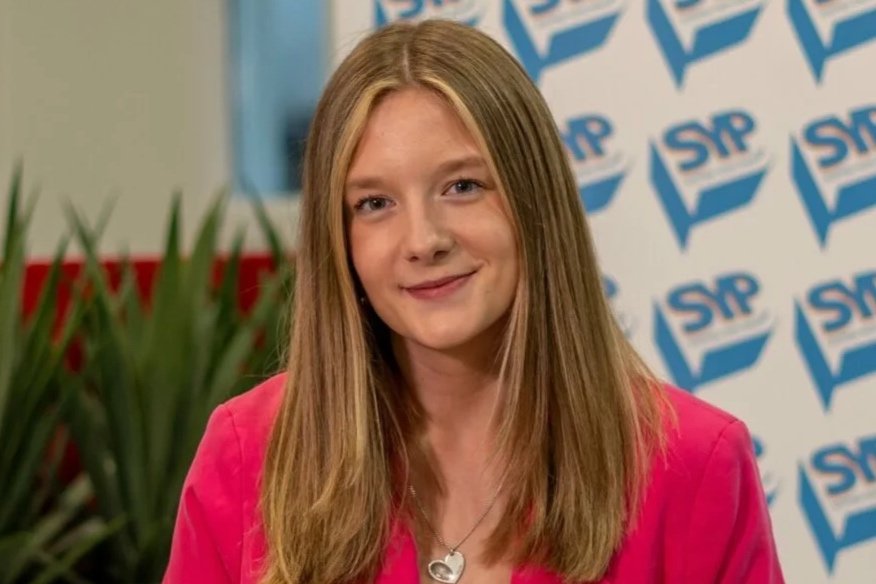
Ellie Craig MSYP is Chair of the Scottish Youth Parliament and the MSYP for Glasgow Cathcart. She is also a trustee of Young Scot and a board member of The National Lottery Community Fund. Outside of her governance roles, Ellie is about to enter her final year at the University of Glasgow, studying Politics and Sociology and also works as a youth worker for a young carers centre.
When Scotland introduced free bus travel for everyone under 22, the policy was often discussed in terms of fairness and sustainability. But beyond the social benefits, there’s an important economic story to tell.
Free bus passes for young people aren’t just a transport policy — they’re an economic multiplier. That means the money invested by the government generates wider and repeated benefits across the economy. With over 250 million journeys taken since the scheme launched three years ago, it is clear that this is a conversation worth having.
Saving Money, Spending Locally
At the most basic level, free bus travel saves young people and their families money. The average bus fare in Scotland can quickly add up, especially for students or apprentices commuting daily. When that cost disappears, young people have more disposable income to spend on other things — food, clothes, social activities, or technology.
This change in spending behaviour creates a multiplier effect. Every pound not spent on bus fares is likely to be spent in local shops or cafes, supporting small businesses and helping them pay wages, which in turn are spent again in the economy. The benefits ripple outward, supporting more jobs and local growth.
Opening Doors to Opportunity
The economic impact isn’t just about what young people buy — it’s also about where they can go. Free bus travel gives young people greater access to jobs, apprenticeships, colleges, and universities, especially in rural or low-income areas where transport costs can be a major barrier.
In urban areas where there are more bus options, it is also resulting in more school trips as teachers no longer have to worry about increasing the cost of the school day by asking parents for additional money.
With more affordable access to work and education, young people can build skills, earn higher incomes, and contribute more to the economy over their lifetimes. In this way, the policy boosts productivity and strengthens Scotland’s future workforce. It’s an investment not only in public transport but in human capital — the skills and potential of the next generation.
Reviving Town Centres
Free bus travel also helps reconnect communities. Many young people use their bus passes to travel to high streets, cinemas, sports clubs, and cafes that they might otherwise struggle to reach. This movement supports local businesses, encouraging more activity in towns and city centres that have struggled with declining footfall.
When these businesses do well, they hire more staff, pay more taxes, and buy more from suppliers — all of which adds up to stronger local economies. It’s a clear example of how public spending in one area can trigger private spending and growth in others.
Long-Term Savings for Society
There are also longer-term financial benefits. When more young people can access education and work, fewer need unemployment or welfare support. Building people’s confidence on public transport early in life also reduces car use so lowers congestion, reduces emissions, and improves public health — all of which save money for government and taxpayers over time.
The Bigger Picture
In economics, a multiplier describes how one initial investment can lead to a larger overall increase in national income. Free bus passes for young people in Scotland do exactly that. By cutting transport costs, opening up opportunity, and encouraging local spending, they create economic benefits that far exceed the initial government outlay.
This is why young people in Scotland are calling for expansion of the scheme up to 25 and across all forms of public transport. This policy features as part of the Scottish Youth Parliament's Manifesto for the 2026 Scottish Parliament election, ‘Dear Scotland’s Future’. Read about all 31 policies here.
In short, this isn’t just a policy about buses — it’s about building a fairer, more connected, and more prosperous Scotland for everyone.

Press release – Many Scots are one emergency away from debt
New findings from the Understanding Scotland Economy Tracker reveal a significant of Scots are just one unexpected bill away from crisis.
New findings from the Understanding Scotland Economy Tracker highlight the precarious financial position of many Scots. Significant numbers of people are just one unexpected bill away from crisis.
1 in 5 people (22%) cannot cover a £100 emergency expense without borrowing money
This figure doubles to 44% for a £500 emergency, demonstrating a widespread lack of financial resilience.

The research also exposes how economic insecurity is affecting wellbeing and productivity, with more than nine in ten (95%) respondents saying that people are less effective at work when financial stress disrupts sleep or nutrition. The latest research shows that one in four (26%) of Scots report having lost sleep due to concerns about money matters.
The findings reveal strong public support for structural solutions:
9 in 10 (89%) think employers have a responsibility to pay wages that meet people’s basic needs.
8 in 10 (80%) say that failing to meet basic needs now will cost more in the long term.
7 in 10 (70%) think we have a collective responsibility to maintain a safety net in tough times.
Women are especially likely to express these views:
9 in 10 (92%) of women say employers should pay enough to meet basic needs, 6% more than men at 86%.
Women are also more likely to understand the impact of unmet need today resulting in higher public costs later (84% v 77%)
There is less consensus around how to fund protections - 39% of respondents would pay more in tax to ensure an effective social security safety net, while 38% disagree.
Scott Edgar, Senior Research Manager, at the Diffley Partnership said:
“This data shows that while some economic indicators may be stabilising, many people in Scotland are still living with significant financial uncertainty. These pressures don’t exist in isolation, they can affect people’s health, their ability to work, and their overall sense of security. It’s important we understand the scale of the issue and the potential long-term impact on the economy and society.”
Susan Murray from the David Hume Institute said
“These findings confirm too many Scots continue to live on a financial knife-edge. When people lack the means to absorb even small shocks, it doesn't just harm their wellbeing, it undermines our collective economic potential. A resilient economy needs more financially secure households. The majority of the public clearly understands this connection with strong support for fair wages and a robust safety net. Sadly despite some economic indicators beginning to change, few Scots can see any light at the end of the tunnel”
ENDS
Notes:
The Understanding Scotland Economy Tracker received 2,326 responses from a representative sample of the adult population, aged 16+, across Scotland. Invitations were issued online using the ScotPulse panel, and fieldwork was conducted between the 1st-6th May. Results are weighted to the Scottish population (2023 estimates) by age and gender. The survey is conducted by the Diffley Partnership on behalf of The David Hume Institute.

Blog: Flexible Working - productive vs reductive debate?
Lynn Houmdi discusses home working vs return to office in the context of productivity. Why is the debate so often over simplified?
27st January 2025
by Lynn Houmdi

Lynn Houmdi is founder of Flexible Working Scotland, Co-creator of Making Work Work and Senior Manager, The Challenges Group. She supports people - particularly women - to find or create meaningful work that works with all the other commitments and enjoyment of life. Prior to this Lynn had a career in public policy and diplomacy.
Last week we witnessed another wave of media attention on flexible working, prompted largely by the BBC Panorama episode which aired on 20 January, “Should we still be working from home?”
In recent months, we have seen a surge of RTO (return to office) mandates, calling employees back into the office for all or part of the week and reversing policies put in place during the pandemic.
In the media, the flexible working debate is often over-simplified as a binary: in the office or working from home. In fact, there are literally hundreds of flexible working patterns, because every variant could be combined with one or more others. For example, someone might work part-time, hybrid. Another employee might have flexible start and finish times to their day while working remotely.
Evidence based decisions?
There is a body of research emerging which suggests that decisions around RTO are not being taken on the basis of evidence around productivity but on personal bias (by older, male CEOs);[1] on the basis of sector trends (everyone else is, so we had better); to reassert control over employees, blaming them for bad firm performance;[2] or as a means to reduce headcount without redundancies.[3] Research published in November 2024 by recruitment platform Indeed found that 44% of managers and 55% of employees felt RTO was less about purpose and more about keeping up appearances.[4]
In assessing whether a particular form of flexible working is good for productivity, firms need to first be able to measure productivity. In some industries, this is simple - number of calls answered or number of lines coded. In many others, it is much more complex.
Productivity may be improved by the time or location of work. While someone may feel productive ploughing through emails at home, are they also productive in the office catching up with colleagues? On the other hand, too much time at home may lead to isolation, impacting productivity and belonging in the longer term. How do we measure this?
It is also necessary to understand the fundamental role of two important - and interrelated - elements of productivity: good managerial practice (including performance management) and trust. According to the Chartered Management Institute, over 80% of managers are so-called accidental managers, meaning they took on managerial responsibilities without formal training. Someone who is ill-equipped to manage people they can see from their desk is unlikely to be able to manage well when team members are working flexibly.
Trust is vital.
Only a good manager can engender trust. Trust is vital in employee engagement, retention, productivity and wellbeing. The most efficient scenario is one where an employer does not take on people who are not trustworthy, manages performance supportively and well, and does not act in a way which undermines trust. However, life is not only more complex than tabloids suggest, businesses do not always operate efficiently.
Despite an apparent dislike of remote working among some prominent senior leaders, it is enabling a greater supply of labour, as more disabled workers, women and parents access work. It is a magnet for talent, meaning firms can recruit sought-after skills from a much wider radius. It is also driving technological advances and investment.
Nick Bloom, the Stanford Professor featured in the Panorama programme wrote in a paper for the IMF that the impact of remote working depends on how it is managed. He goes on to say:
“While the micro productivity impacts on any individual firm may be neutral, the huge power of labour market inclusion means that the aggregate macro impact is likely to be positive.”
And while he acknowledges the negative impact on city centre retail and commercial property prices, retail spend is being displaced to suburbs and commercial property has the potential to be repurposed for housing.[1]
In that frustrating way that real life is often more complex than tabloid headlines would suggest, one size does not fit all. Not only for individuals, but for businesses. As managers and leaders, we need to move away from fluffy phrases such as “flexible working” towards honest, evidence-based discussions of how, where and when people deliver their best work.
Happy workers are productive workers.
If we accept that diversity is good for business, then a greater diversity of working patterns is good for individuals, for businesses and for the economy, because diverse workforces are not built on the assumption that everyone delivers their best work in the same way.
The reductionist debate of remote vs. the office is unhelpful, not least in erasing the experience of many front-line and customer-facing employees and key workers who wish they had the choice.
Ends
References
[1] https://www.linkedin.com/posts/nick-bloom-stanford_three-papers-analyzed-1200-us-return-to-activity-7250871032759099392-qYVI
[2] https://papers.ssrn.com/sol3/papers.cfm?abstract_id=4675401
[3] https://www.linkedin.com/posts/nick-bloom-stanford_employees-appear-to-be-pushing-back-more-activity-7272263800437764097-ocrj
[4] https://www.personneltoday.com/hr/return-to-office-appearance/
Image credit: sharing thumbnail image by Adolfo Félix free from Unsplash 27.1.25

Blog: Scotland needs economic hope
Blog from DHI trustee, David Gow reflecting on our latest Understanding Scotland Economy Tracker.
27th November 2024
by David Gow, DHI Trustee

"Fings can only get worse," warned PM Keir Starmer in a negative take on the 1993 D:Ream anthem that ushered in the last Labour government and the Northern Ireland band has now banned the party from using. It's one message from the Prime Minister the public fully believes in five months after Labour's landslide win.
Our latest Understanding Scotland Economy Tracker, the 13th 'wave' in the series, highlights a deepening pessimism among Scots, young and old, about their own and the country's prospects. Almost two-thirds (63%, up 9% on the August survey) believe the economy has worsened in the past year and 65% (up 13 points) expect a further deterioration. At a personal level, the sense of doom is slightly less dark: at 48%/44%. But don't hold your breath.
It's pretty plain that Scots, like most Brits, know and feel that the UK is measurably poorer now than it was, say, pre-pandemic or pre-Brexit or pre-great financial crisis even over a decade ago. The last parliament (2019-24) saw the worst decline in earnings growth for over 60 years and the "boomers'" children are worse off than their parents. Too many of these are now attracted to the Far Right - across Europe and elsewhere.
Sebastian Burnside, NatWest chief economist, told me at the tracker's launch (25 November) that he didn't expect a new recession but with Donald Trump already slapping prospective tariff hikes on Canada, Mexico and China it must be nip and tuck. A generalised tit-for-tat trade war will almost certainly deepen any recessionary tendencies, notably in the eurozone, with the ghost of Smoot Hawley 2.0 worrying the hell out of policymakers and observers. (Or it should be!)
Skipped meals and depression
Almost a half (47%) of younger Scots, according to our survey, say economic anxieties and pressures are affecting their mental health - a finding true of a third (32%) of Scots as a whole. Three in ten of us are losing sleep over our finances. People are cutting back on buying fresh food products and skipping meals (as many as 19%) and this is more true of young people than other demographic groups.
For me and others the greatest worry is the impact upon young children. Danny Dorling, Professor of Geography at Oxford University and a surprise guest at the launch, commented the worst affected in terms of the rise in child poverty in the Europe is England, he shocked us. No English county outperforms Scotland in this regard. In terms of economic pessimism, suggested this was a global trend - with some notable exceptions in countries such as India... and Russia - for other reasons.
This, of course, is no consolation. Around a quarter of a million of Scottish children (26%) live in relative poverty and the Scottish Government is way off reaching its 10% target by 2030-31, even with the Child Payment. We all need hope but our young people, above all children, need an injection of this most of all if we are to begin to tackle the enduring UK/Scottish problem of low productivity growth which, as Burnside said, is the biggest source of declining living standards.
Investing in the future
Rachel Reeves, the UK chancellor, is struggling to inject hope and optimism into business and consumers for all her talk of investment and growth. Our tracker, equally, sets a high bar for Shona Robison, finance secretary, to cross when she presents the Scottish Budget on December 4. Even the unexpected boost to the Scottish Government's net fiscal position from the first Reeves budget - "transformed" according to the IFS - may not be enough.
Robison, cannot promise the earth but she could and should offer the prospects of a (eventually) more stable outlook and put the emphasis on investment in education and training as well as in the most promising economic sectors, including the (struggling) creative industry. Our tracker points to an urgent need, above all, to restore public confidence in the future.
"Get Scotland Working" is likely to be a theme (h/t the UK version unveiled on November 26) for her to adopt. Not in terms of unemployment but incentives to enter or re-enter the labour market, notably among the more than 300,000 Scots on adult disability payment and those economically inactive as a whole (22.6% of the 16-64 age group) of which there are a staggering 9m in the UK.
However, for many work is not a route out of poverty or cutting the welfare bill, with around four in ten of those on Universal Credit in Scotland, being in work. Low paid and precarious work traps many in a constant battle to make ends meet - this certainly won’t help boost productivity with so many people losing sleep over their finances.
Collectively, Scottish politicians and civil society need to turn around what is one of the most arresting tracker findings: a net 64% of our citizens believe the economy works in the interests of the wealthy while a net -56% think it does not work for them individually.

Press Release: Scots report increased financial pressure impacting their work and home life
The latest Understanding Scotland Economy Tracker poses big questions for Shona Robison ahead of the Scottish Budget.
Monday 25th November 2024
48% of people living in Scotland believe their financial situation is worse than a year ago, our independent quarterly tracker has revealed.
Since August 2024, there has been a six percentage point rise in people feeling that their own finances have worsened in the last year – with 3 in 10 people (29%) admitting they have lost sleep over money.
While 63% believe that the general economic conditions are worse, up nine percentage points, 65% of people said they believe that the general economic conditions will continue to decline, up 13 points on the last quarter.
The latest results for the Understanding Scotland Economy Tracker, from the David Hume Institute and polling experts Diffley Partnership, suggest a growing lack of optimism over the last three months and pose big questions for Shona Robison ahead of the Scottish Budget.
The latest edition of the survey from November 2024 shows that:
More than 1 in 6 people (17%) report strained relationships at home because of money
1 in 6 Scots (16%) report an impact on their physical health due to worries about money
1 in 3 people (32%) report an impact on their mental health due to worries about money
Only 15% say that concerns about money matters have not affected them
3 out of 4 people (75%) believe the economy works primarily in the interests of wealthy people
This shift towards a less positive outlook suggests that political messaging from Prime Minister Keir Starmer that “things will get worse before they get better” ahead of Labour’s first budget in October has been heard loud and clear by Scots.
However, there is not a complete lack of optimism with younger Scots more likely to believe that their financial fortunes will turn. Those aged between 16 and 34 appear more optimistic with 25% saying they believe their own economic situation will get better. This compares to just 6% of 45 to 54 year-olds, 8% aged 55 to 64, and 5% of over 65s.
When looking at the policy priorities for Scots, healthcare and the NHS remains the top priority of Scots with nearly half (47%) citing this as one of the top three issues facing Scotland. A third (34%) cite cost of living and inflation, this has declined eight percentage points from November 2023. One in five (19%) put poverty/inequality among the top three issues facing Scotland.
Scott Edgar, Senior Research Manager, at the Diffley Partnership said:
“The latest findings from the Understanding Scotland Economy Tracker show that public confidence in the economy has taken a massive hit over the last three months.
People are reporting that concerns over money matters are impacting their work, home life, and health.
With two-thirds of Scots expecting the economy to worsen over the next twelve months, many will be looking to next week’s Scottish Budget as a chance to offer a signal of confidence in the nation’s economic future.”
Susan Murray from the David Hume Institute said
“With the Scottish Government’s budget just over a week away, there is an opportunity for Finance Secretary Shona Robison take on board the large number of people struggling financially.
“However, as the weather turns colder, it feels like there is a long hard winter ahead for many. I hope all political parties take on board the large number of people feeling so stretched as the political horse-trading starts to get the Scottish budget passed.
“The economy will not turn a corner and productivity will not increase until more people are sleeping easily at night and not lying awake worrying about money.”
Notes to editors:
Designed by the Diffley Partnership and the David Hume Institute, the survey received 2,233 responses from a representative sample of the adult population, aged 16+, across Scotland. Invitations were issued online using the ScotPulse panel, and fieldwork was conducted between the 1st-5th November. Results are weighted to the Scottish population (2021 estimates) by age and gender.
Image credit: sharing thumbnail image by Claudia Wolff, free from Unsplash on 24.11.2024

Blog: Are we singing a new song?
New blog from David Gow, DHI Trustee, are we singing a new song? Can things only get worse?
29th August 2024
by David Gow, DHI Trustee

"Fings can only get worse," Sir Keir Starmer intoned in the 10 Downing Street rose garden on August 27 in a reverse reprise of Labour's 1997 campaign song . "Before they get better." He added that the UK should "accept short-term pain for long-term gain." It's a tough ask but maybe Scots at least are up for it.
Perhaps, indeed. What emerges from our latest quarterly survey of voter sentiment towards the Scottish Economy, Understanding Scotland, is that Scots are increasingly torn between feeling (a shade) more upbeat and anxious, between modest optimism and continuing pessimism.
Certainly, more than half (56%) of the 2227 respondents to the survey conducted exactly a month after the July 4 General Election still think Scotland is heading in the wrong direction but that's six points down on the record 62% in May while those believing the opposite are up four points at 23%.
What's more, fears about the cost of living/inflation at 58% are down close to levels last seen in January 2022 (56%), probably reflecting the upturn in earnings and even (some) lower prices. (The survey pre-dates Ofgem's announcement of a 10% hike in energy guide prices). Most tellingly, those thinking that general economic conditions are worse than 12 months ago have fallen to 52% (net) or the lowest level since the survey began in October 2021. Personal negativity is down to 42% from a high of 65% in November 2022 while optimism is up to 15% (net) - hardly a dizzying decline but worth monitoring to see if it upticks
As we and our colleagues at the Diffley Partnership say in the report's intro, "a growing proportion are unsure about the country’s direction, suggesting a populace still searching for clarity in uncertain times." As we point out, there remains a significant sense of precarity, notably among families with children.
Unhealthy options among the poor
More than one in five (22%) is still cutting back on fruit and veg to cut food bills, a bad signal for a nation fighting rampant obesity, while a similar number is reducing meal/portion sizes to save money - the same goal pursued by the 14% skipping meals. It's surely bad news that more than a half (52%) admits to shopping on price rather than health, while a quarter or more is eating processed food and/or cheap food requiring little or no cooking. And we know from here and elsewhere that it's poorer parents, particularly young mothers, who skimp on meals so they can feed their kids.
Financial resilience remains worryingly high among less well-off households. A third of households with children are not confident they could raise £100 in an emergency without borrowing, a level that rises to 58% when the required loan is £500. Inequality may not be a substantial policy issue (at just 8%) but poverty remains among the biggest priorities (27%).
Tax and spend alerts
Ahead of the October 30 Budget (UK) and the Scottish Government's renewed brake on spending, concern about manging public finances is on the up - at 29% compared with 24% a year ago. And a third remains convinced spending on public services is an important issue facing the Scottish economy. Rachel Reeves' "black hole" is clearly and understandably putting the wind up a lot of folk., including actual and/or potential pensioners (a concern for 12% or up three points on May.)
Will hospital consultation/treatment waiting lists come down? Obviously, it's too soon to tell but healthcare and the NHS remain by far the biggest concern (51%) - compared with the mere 8% thinking of the constitution, an issue that does not win elections. Nor, surprisingly, do green/climate change issues (just 11%, down one point on May).
Unsurprisingly, however, immigration and crime are rising up people's political agenda, with the former at a survey peak of 13% (up three points on May) and the latter at a new high of 11% (up two points). The two are often wrongly linked, notably in tabloid media, but both may well prove growing headaches for the new UK government. We shall closely monitor trends here.
Overall, it's clear from this survey that the new UK government and whichever administration emerges from the elections to Holyrood due in May 2026 have a lot to do to convince a sceptical population that those "sunlit uphills" can be glimpsed around the corner. Again, hardly surprising after this dreich summer...
End
Image credit: sharing thumbnail image by Austin Chan free from Unsplash 29.08.2024

New Report: Who will do the jobs in Scotland?
Current employment rates in Scotland are at a near-record high. However, Scotland’s population is ageing fast and there is a low birth rate.
By 2041, the pension-age population is projected to increase by 265,000, while the working-age population is only projected to rise by 38,000.
This report discusses the challenges facing Scotland with changes to migration patterns and a shortage of workers. What can we do to meet the labour supply challenges in Scotland. Who will do the jobs?

Current employment rates in Scotland are at a near-record high. However, Scotland’s population is ageing fast and there is a low birth rate.
By 2041, the pension-age population is projected to increase by 265,000, while the working-age population is only projected to rise by 38,000.
This report discusses the challenges facing Scotland with changes to migration patterns and a shortage of workers. What can we do to meet the labour supply challenges in Scotland. Who will do the jobs?